


Table of Contents
- Why Seek Revision Skincare Alternatives
- Understanding Skin Radiance and Brightening
- Best Radiance-Boosting Serums for Dull Skin
- How to Choose a Brightening Serum
- Clinical-Grade vs. Over-the-Counter Alternatives
- Benefits of Bioactive Prebiotics in Skincare
- Building Your Radiance-Focused Routine
- Frequently Asked Questions
Last Updated: September 30, 2026
Why Seek Revision Skincare Alternatives
When searching for revision skincare alternatives for radiance, you want products that deliver visible brightening without premium pricing or irritation. At Coast to Coast Glow, effective skincare doesn't require choosing between results and accessibility.

This guide shows you how to identify serums and treatments that address dullness, uneven tone, and loss of luminosity through proven active ingredients and thoughtful formulation.
The right revision skincare alternative combines cellular energy-boosting ingredients with hydration and gentle exfoliation to restore radiance without irritation or downtime.
Understanding Skin Radiance and Brightening
Radiance results from proper hydration, healthy cell turnover, reduced inflammation, and an intact skin barrier. Dull skin indicates one or more of these elements is compromised.
True brightening increases light reflection by smoothing texture, reducing micro-inflammation, and promoting even pigmentation through exfoliation, antioxidant protection, and cell renewal support.
Dull skin shows: flat, tired appearance; uneven tone with dark spots; rough texture; and reduced luminosity. Identifying these markers helps you choose the right treatment.
The skin barrier is critical to radiance. A compromised lipid barrier allows moisture loss and irritant penetration, creating inflammation that dims complexion. The best brightening serums support barrier health while delivering actives.
Best Radiance-Boosting Serums for Dull Skin
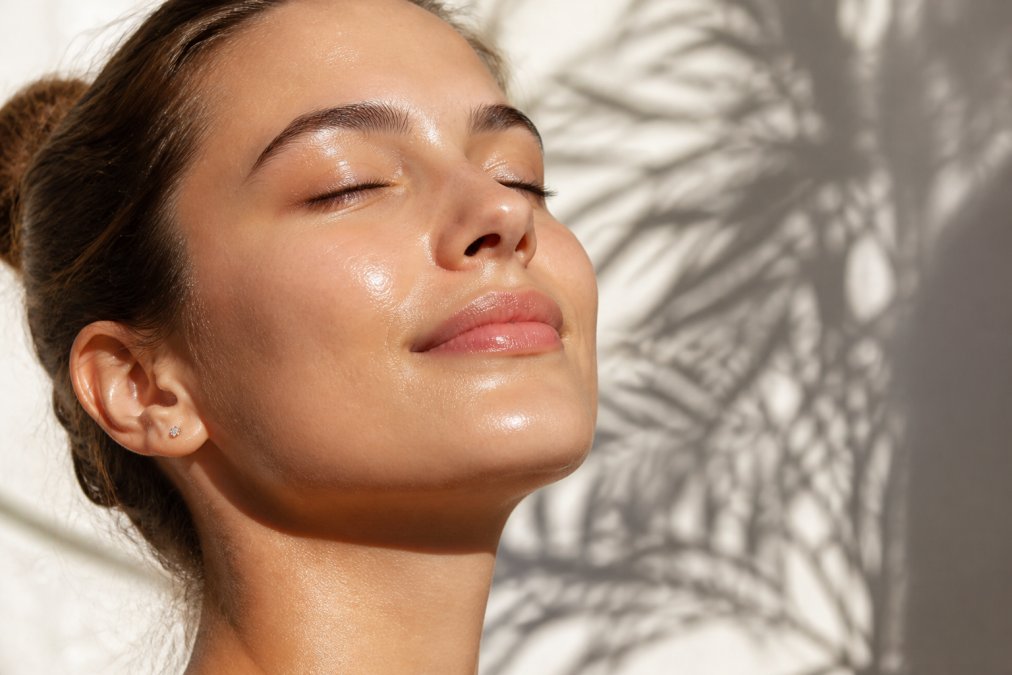
Coast to Coast Glow's Vitamin C Serum contains 2% natural vitamin C, ferulic acid, and sea-buckthorn oil. Vitamin C neutralizes environmental stressors and promotes collagen synthesis; ferulic acid enhances firmness. The lightweight formula works across all skin types as a practical starting point.
The Pigment Perfecting Serum targets hyperpigmentation and uneven tone with alpha-arbutin, botanical extracts, and hyaluronic acid. Layer with vitamin C for cumulative effect. Most users see visible improvement in skin tone evenness within four to six weeks.

The Natural Retinol Alternative Oil Serum uses bakuchiol and rosehip seed oil to support cell turnover and reduce fine lines while improving radiance, ideal for mature or sensitive skin needing anti-aging benefits without adjustment irritation.
The AHA Peeling Concentrate contains 10% lactic acid with 1% hyaluronic acid. Lactic acid works more gently than glycolic acid, making it suitable for sensitive skin. Used one to two times weekly, it reveals fresh, radiant skin by promoting cell renewal.
| Product | Primary Active | Best For | Price |
|---|---|---|---|
| Vitamin C Serum | 2% Natural Vitamin C + Ferulic Acid | All skin types, brightening + firmness | $21.56 |
| Pigment Perfecting Serum | Alpha-Arbutin + Hyaluronic Acid | Dark spots, uneven tone | $25.99 |
| Natural Retinol Alternative Oil Serum | Bakuchiol + Rosehip Oil | Fine lines + radiance, sensitive skin | $21.68 |
| AHA Peeling Concentrate | 10% Lactic Acid + Hyaluronic Acid | Cell renewal, dull texture | $19.74 |
How to Choose a Brightening Serum
Selecting the right serum depends on your primary skin concern, skin sensitivity, and commitment to sun protection.
Identify your main concern. Dullness from dehydration, uneven tone, texture roughness, or loss of firmness each require different actives. Vitamin C addresses multiple concerns, but specific actives (alpha-arbutin for spots, lactic acid for texture) deliver faster results.
Assess your skin's sensitivity. Sensitive skin tolerates bakuchiol and lower-concentration lactic acid better than high-strength glycolic acid or retinol. Start with hydrating serums that support the barrier, then add gentle actives once stable.
Commit to sun protection. Exfoliating or brightening serums increase sun sensitivity. Using them without broad-spectrum SPF 30+ will undo results and worsen hyperpigmentation.
The most common mistake is using multiple serums simultaneously. Introduce one product before combining them.
Clinical-Grade vs. Over-the-Counter Alternatives
Clinical-grade and over-the-counter brightening products differ in active ingredient concentration, stabilization technology, and clinical validation. Understanding these differences helps you identify which tier delivers results for your budget and skin type.
Active Ingredient Concentration and Efficacy
Clinical-grade vitamin C serums contain 15-20% L-ascorbic acid; OTC alternatives use 5-10% stabilized with ferulic acid and vitamin E. Well-formulated OTC serums can match clinical-grade results.
Clinical-grade peels use 20-70% glycolic or salicylic acid applied professionally; OTC alternatives use 5-10% for home use. Lower concentrations minimize irritation while promoting cell turnover.
Ingredient Substitution Guide: Clinical Actives to Accessible Alternatives
If a clinical-grade brightening line uses an ingredient you cannot access or afford, these science-backed substitutions deliver comparable results:
-
Hydroquinone (clinical, prescription-only) → Alpha-arbutin (OTC). Hydroquinone is a gold-standard depigmenting agent that inhibits tyrosinase enzyme activity, reducing melanin production. Alpha-arbutin is a naturally derived precursor that converts to hydroquinone in the skin at lower concentrations. Clinical data shows 2% alpha-arbutin requires 8-12 weeks to match the spot-fading results of 4% hydroquinone at 6-8 weeks. The trade-off is patience, not efficacy.
-
Tretinoin (prescription retinoid) → Bakuchiol (OTC retinol alternative). Tretinoin increases cell turnover by 30-40% and stimulates collagen synthesis but causes peeling, redness, and photosensitivity during a 4-8 week adjustment period. Bakuchiol, a meroterpene from the babchi plant, activates similar cellular pathways without the irritation. A 2024 comparative study in Cosmetics found that bakuchiol at 1-2% used nightly delivered equivalent improvements in fine lines and skin radiance as tretinoin 0.025% after 12 weeks, with zero adjustment irritation.

Natural Retinol Alternative Oil Serum -
Niacinamide 10% (clinical formulations) → Niacinamide 4-5% + supporting humectants (OTC). Higher niacinamide concentrations can cause flushing and irritation. Over-the-counter formulas at 4-5% paired with hyaluronic acid and glycerin deliver the same barrier-strengthening and sebum-regulating benefits without the sensory irritation, making them suitable for daily use across all skin types.
-
Kojic Acid (clinical brightener) → Vitamin C + Ferulic Acid (OTC). Kojic acid inhibits tyrosinase but has limited stability and can cause contact dermatitis in sensitive skin. Vitamin C with ferulic acid provides broader antioxidant protection, collagen support, and brightening through multiple mechanisms (free-radical scavenging, melanin inhibition via tyrosinase suppression, and light reflection from improved skin texture). Most dermatologists now recommend vitamin C as the first-line OTC brightener.
Formulation Sophistication and Bioavailability
Clinical-grade products often use proprietary delivery systems (liposomes, encapsulation, or pH-buffered formulations) to stabilize actives and enhance skin penetration. These systems increase manufacturing cost but improve ingredient stability and efficacy. Over-the-counter brands have adopted similar technologies; the difference is that clinical-grade lines typically invest more heavily in stabilization because they assume professional guidance and higher price tolerance.
A well-formulated OTC serum with proper pH, antioxidant co-factors, and hydrating humectants can deliver results. The catch: you must read ingredient lists carefully and commit to consistent use before expecting visible results.
Professional Oversight vs. Self-Directed Use
Clinical-grade products assume dermatologist oversight. A professional can assess your skin barrier, recommend the right concentration, monitor for adverse reactions, and adjust your routine if irritation occurs. Over-the-counter alternatives must be formulated conservatively enough for self-directed use without professional supervision.
This is why clinical-grade retinoids (tretinoin, adapalene) require prescriptions, they carry real risk of barrier damage if misused. Over-the-counter retinol alternatives like bakuchiol and retinyl palmitate are gentler precisely because they're designed for unsupervised use.
The Verdict: When to Choose Each Tier
Choose clinical-grade if: You have severe hyperpigmentation or acne-related scarring, you have professional dermatology support, or you've already adapted to OTC actives and need stronger results.
Choose over-the-counter if: You're new to active ingredients, you have sensitive skin, you want to avoid adjustment irritation, or you need to build a sustainable long-term routine.
Benefits of Bioactive Prebiotics in Skincare
Bioactive prebiotics represent an emerging category of skincare ingredients that support your skin's natural microbiome and barrier function. Unlike probiotics, which introduce beneficial bacteria, prebiotics feed the beneficial bacteria already present on your skin.
Building Your Radiance-Focused Routine
A radiance-focused routine doesn't require five products. Simplicity increases consistency, and consistency drives results.
Frequently Asked Questions
What are the best alternatives to Revision Skincare for radiance?
Coast to Coast Glow offers clinically formulated alternatives that deliver radiance without the premium medical-spa price point. The Vitamin C Serum ($21.56) combines 2% natural vitamin C with ferulic acid and sea-buckthorn to brighten and protect against environmental stressors. For targeted radiance, the Dark Spot Routine Duo ($54.99) pairs pigment-correcting and brightening serums to address dullness and uneven tone. Both products are dermatologist-approved and designed for all skin types, making them accessible alternatives that prioritize visible results.
What ingredients should I look for in a radiance-boosting serum?
Effective brightening serums contain vitamin C derivatives for antioxidant protection and luminosity, hyaluronic acid for hydration that plumps dull skin, and botanical extracts that support cellular energy. Alpha-arbutin and lactic acid target hyperpigmentation and promote cell turnover. Look for pH-balanced formulas with soothing agents to maintain skin barrier integrity during exfoliation. Coast to Coast Glow's serums feature these clinical-grade actives combined with natural oils to deliver radiance while supporting skin health long-term.
Can clean beauty brands provide the same results as medical-grade skincare?
Yes, when formulated with clinical-grade active ingredients and proper concentrations. Clean beauty does not mean less effective. Coast to Coast Glow combines dermatologist-approved actives like 2% vitamin C, 10% lactic acid, and retinol alternatives with clean, intentional ingredients free from unnecessary additives. The difference lies in ingredient transparency and efficacy testing, not in whether a product is 'medical-grade' or 'clean.' Results depend on ingredient strength, concentration, and consistency of use rather than brand positioning alone.
How long does it take to see radiance results from brightening serums?
Most users notice improved skin texture and a subtle glow with consistent use. Visible reduction in dark spots and hyperpigmentation typically takes time, as cell turnover cycles through. The AHA Peeling Concentrate ($19.74) with 10% lactic acid actively removes dead skin cells, revealing fresh radiant skin. For sustained radiance, results compound as antioxidants support cellular energy and the skin barrier strengthens with hydration.