


Table of Contents
- Quick Comparison: Best Dermatologist Approved Serums 2026
- How Dermatologists Evaluate Serum Effectiveness
- 1. Exosome & Niacinamide Serum: Best Overall for Dullness and Uneven Tone
- 2. Peptide Anti-Aging Serum: Best for Fine Lines and Firmness
- 3. Bioactive Prebiotics Jelly Serum: Benefits of Prebiotic Skincare for Sensitive Skin
- 4. Vitamin C Serum: Best for Brightening and Environmental Protection
- 5. Pigment Perfecting Serum: Best for Dark Spots and Hyperpigmentation
- 6. Retinol Alternative Eye Serum: Best for Delicate Under-Eye Area
- How to Layer Serums Correctly for Maximum Absorption
- Frequently Asked Questions
Last Updated: September 16, 2026
Quick Comparison: Best Dermatologist Approved Serums 2026
Finding the best dermatologist approved serums 2026 starts with understanding what "approved" actually means in practice: formulas built around clinically studied active ingredients, tested for tolerance, and matched to a specific skin concern rather than a marketing trend. This guide from Coast to Coast Glow breaks down six standout options by concern, texture, and price so you can build a routine that actually holds up.
Here is the short version before the detail:
| Serum | Price | Best For | Key Actives |
|---|---|---|---|
| Exosome & Niacinamide Serum | $19.88 | Dullness, uneven tone | Exosomes, niacinamide, lactic acid |
| Peptide Anti-Aging Serum | $21.98 | Fine lines, firmness | 2% hexapeptide-11, ginkgo |
| Bioactive Prebiotics Jelly Serum | $24.99 | Sensitive, reactive skin | Prebiotics, hyaluronic acid |
| Vitamin C Serum | $21.56 | Brightening, protection | 2% vitamin C, ferulic acid |
| Pigment Perfecting Serum | $25.99 | Dark spots | Alpha-arbutin, hyaluronic acid |
| Retinol Alternative Eye Serum | $26.99 | Under-eye fine lines | 2% Bidens Pilosa, hyaluronic acid |
How Dermatologists Evaluate Serum Effectiveness
Dermatologists do not evaluate a serum by its marketing claims. They evaluate it on four measurable pillars: active concentration, delivery system, formulation pH, and tolerance testing. A long ingredient list means nothing if the actives sit below effective levels, if the delivery system cannot carry them into skin, or if the texture prevents consistent daily use.

Here is the framework most practitioners use, and the one we applied to every serum in this guide.
1. Named active at a stated concentration. A serum should tell you what is in the bottle and at what percentage. "Botanical complex" is not a concentration. "2% hexapeptide-11" is. Without a stated percentage, you cannot compare one product to another or predict how your skin will respond.
2. Delivery system and vehicle. The same active can perform very differently depending on how it is carried. Liposomal encapsulation, for example, protects unstable actives and improves penetration. Water-based gels absorb quickly and suit oily skin; oil-based serums occlude and suit dry skin. The vehicle also determines whether an active reaches the layer of skin where it can actually work.
3. pH balance. Many actives only function within a narrow pH window. Vitamin C (L-ascorbic acid) is most stable and effective at a low pH, while niacinamide performs best closer to skin's natural pH. A formula that ignores pH may list the right ingredient and still deliver little of its benefit.

4. Tolerance and dermatological testing. This is where "dermatologist approved" earns its meaning. A formula should be assessed for irritation potential, ideally through patch testing and use testing on sensitive skin. Fragrance-free and dye-free formulas reduce reaction risk. This is not a government certification, it is a quality signal about testing and formulation, and you should still read the ingredient list yourself.
Our testing criteria for this guide. Every serum below was assessed against the same five-point checklist:
- Active transparency: Is the hero ingredient named with a percentage?
- Barrier support: Does the formula include soothing or hydrating co-actives (niacinamide, hyaluronic acid, centella, aloe) rather than stripping the skin?
- Texture and layering: Does it absorb without pilling, and does it layer cleanly under moisturizer and sunscreen?
- Tolerance profile: Is it fragrance-free, and is it suitable for sensitive or reactive skin?
- Value per active: Does the price reflect the concentration and quality of the actives, or the packaging?
A serum that fails any two of these does not belong in a daily routine, no matter how good the marketing is. The six products below passed all five.
1. Exosome & Niacinamide Serum: Best Overall for Dullness and Uneven Tone
If you want one serum that does the most work across the most concerns, start here. The Exosome & Niacinamide Serum at $19.88 combines apple extract-infused exosomes with niacinamide, lactic acid, and hyaluronic acid to target dullness, uneven tone, and early signs of aging in a single step.
What makes it the top pick is the breadth of the formula. Niacinamide supports the skin barrier and helps even tone, lactic acid gently resurfaces, and hyaluronic acid delivers lightweight hydration for a plumper look. Centella Asiatica soothes, which matters if your skin reacts to stronger actives. It is fragrance-free, suitable for all skin types, and absorbs quickly enough to layer under moisturizer morning and evening.
2. Peptide Anti-Aging Serum: Best for Fine Lines and Firmness
Peptides are the workhorse of anti-aging formulas because they signal skin to support its own collagen structure over time. The Peptide Anti-Aging Serum at $21.98 pairs 2% hexapeptide-11 with 1% ginkgo biloba extract, blueberry seed oil, and hyaluronic acid to soften the look of fine lines and support elasticity.

This is the pick for dry and normal skin types that need both smoothing and moisture. Aloe juice and sodium PCA pull water into the skin, while the antioxidant-rich blueberry seed oil helps defend against environmental stressors. In practice, peptide serums reward patience: apply to clean skin daily and expect gradual improvement in firmness rather than an overnight change.
3. Bioactive Prebiotics Jelly Serum: Benefits of Prebiotic Skincare for Sensitive Skin
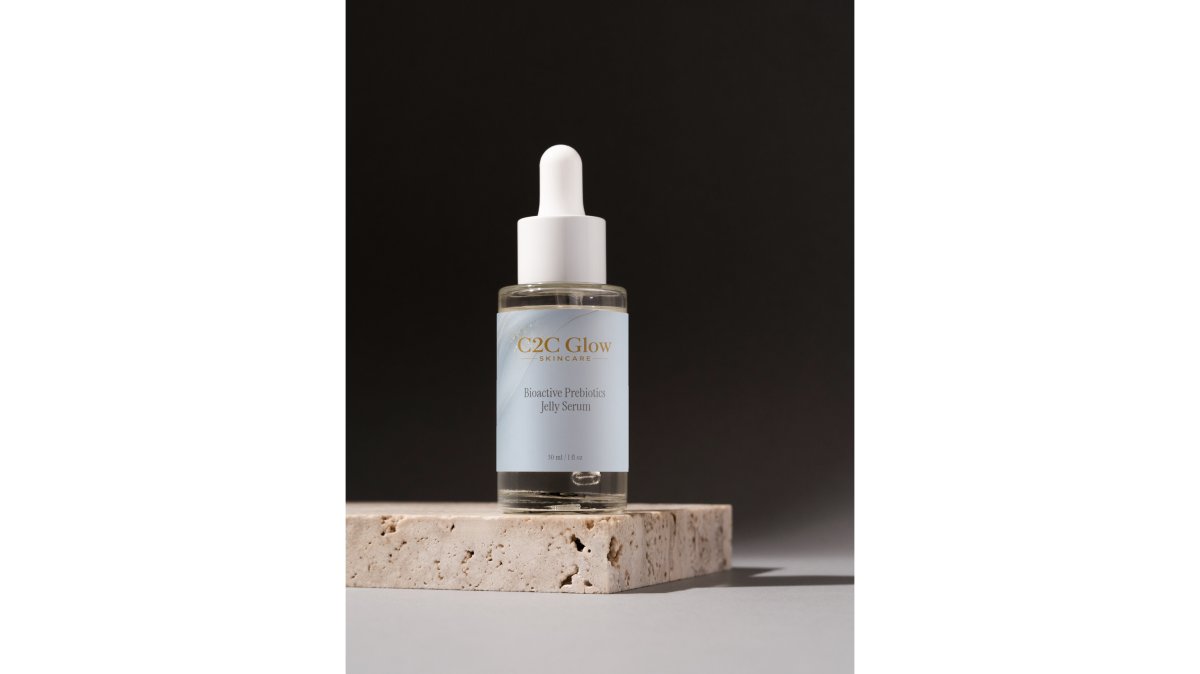
The benefits of prebiotic skincare come down to barrier support. Prebiotics feed the skin microbiome, the community of organisms that helps keep the skin barrier intact and calm. The Bioactive Prebiotics Jelly Serum at $24.99 is a lightweight gel formula built on prebiotics and hyaluronic acid to strengthen that barrier, soothe reactivity, and reduce transepidermal water loss.
This is the best hydrating serum for sensitive skin in the lineup because it skips the exfoliating acids and fragrance that commonly trigger reactions. Apply a few drops to clean, dry skin morning and evening, alone or mixed into your moisturizer. If your skin stings easily or feels tight after cleansing, start here before introducing anything stronger.
4. Vitamin C Serum: Best for Brightening and Environmental Protection
Vitamin C earns its reputation as the morning antioxidant. The Vitamin C Serum at $21.56 blends 2% natural vitamin C with 1% ferulic acid and 1% sea-buckthorn to help protect skin against environmental stressors while brightening and evening tone.
5. Pigment Perfecting Serum: Best for Dark Spots and Hyperpigmentation
Hyperpigmentation needs a targeted approach, not a general brightening serum. The Pigment Perfecting Serum at $25.99 is formulated around alpha-arbutin with hyaluronic acid to reduce the appearance of dark spots and promote a more even tone, and it carries a dermatologically tested claim.
6. Retinol Alternative Eye Serum: Best for Delicate Under-Eye Area
Traditional retinol around the eyes often means irritation, flaking, and a two-week adjustment period most people abandon. The Retinol Alternative Eye Serum at $26.99 uses 2% Bidens Pilosa extract, a natural retinol alternative, to soften the look of fine lines and crow's feet without the sting.
How to Layer Serums Correctly for Maximum Absorption
Layer from thinnest texture to thickest, and give each step about 30 seconds to absorb before the next. The order that works for most routines: cleanser, water-based serum, treatment serum, eye serum, moisturizer, then sunscreen in the morning.
A practical sequence for these six products:
- Cleanse and pat skin dry
- Apply the Bioactive Prebiotics Jelly Serum as your base layer
- Add Vitamin C Serum in the morning or Pigment Perfecting Serum at night
- Apply the Retinol Alternative Eye Serum around the eyes
- Follow with moisturizer to seal everything in
- Finish with sunscreen every morning
Frequently Asked Questions
What should I look for in a dermatologist approved serum?
Look for clinically studied active ingredients like hyaluronic acid, niacinamide, peptides, vitamin C, and exosomes. Check for dermatologist-tested or dermatologically tested claims on the label. Avoid unnecessary fragrance and alcohol if you have sensitive skin. A well-formulated serum should also support your skin barrier and address your specific concern, whether that is dullness, fine lines, dark spots, or dehydration.
How long does it take to see results from a new face serum?
Most dermatologist approved serums show visible improvement in hydration within 1 to 2 weeks. Fine lines, dark spots, and uneven tone typically take 6 to 12 weeks of consistent use. Products with exosomes, niacinamide, or peptides may show faster results for brightness and barrier support. Take a photo each week in the same lighting to track real progress rather than relying on memory.
Can I use multiple serums in my daily skincare routine?
Yes, but order matters. Apply the thinnest, most water-based formula first, then move to thicker or oil-based ones. For example, use a hydrating serum, then a treatment serum, then a moisturizer. Avoid combining strong exfoliating acids with retinol in the same routine. If you are layering serums correctly, you can target multiple concerns without irritation.
What are the benefits of prebiotic skincare for sensitive skin?
Prebiotics feed the good bacteria on your skin, which supports a balanced skin microbiome. A balanced microbiome strengthens the skin barrier and reduces transepidermal water loss, making skin less reactive to environmental stressors. For sensitive skin, prebiotic formulas like a jelly serum can calm redness and improve hydration without harsh actives. They pair well with niacinamide and hyaluronic acid for extra barrier support.
Are expensive serums always better than budget options?
No. Price often reflects packaging, marketing, and brand positioning rather than ingredient quality alone. Several budget-friendly serums contain the same proven actives, such as vitamin C, niacinamide, or peptides, at effective concentrations. What matters most is formulation stability, pH balance, and whether the product is dermatologist-tested. A $20 serum with clinically studied ingredients can outperform a $100 one with a weak formula.